Wood Style Font: A Fun Display Font Inspired by Nature
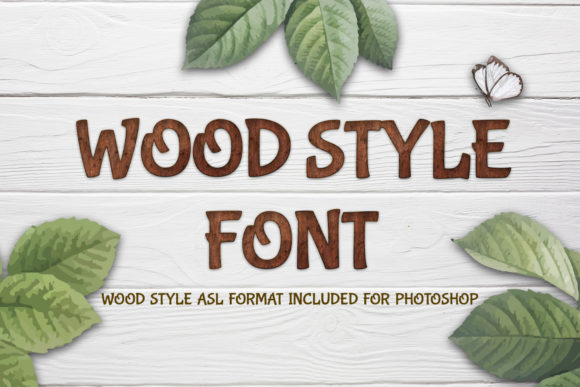
The Wood Style font is a unique and eye-catching display typeface that draws its inspiration from the natural world, particularly the texture and character of wood. Designed to evoke the organic feel of tree bark or wooden surfaces, this font is not just visually appealing—it also serves a functional purpose in various creative and professional contexts.
What Is Wood Style Font?
Wood Style is a fun and versatile display font that brings the essence of nature into digital design. It features rough, handcrafted strokes that mimic the appearance of real wood grain. This font is ideal for projects that aim to connect with the environment, such as eco-friendly campaigns, nature-related branding, or educational materials about sustainability.
Unlike traditional fonts that emphasize precision and uniformity, Wood Style embraces imperfection and character. Its irregular shapes and textures make it stand out, especially when used in large sizes for headings or logos. This font is often used in creative industries like graphic design, web development, and print media to add a rustic or earthy aesthetic.
Why Use Wood Style Font?
- Unique Visual Appeal: The texture and style of Wood Style make it visually distinctive, helping your content stand out in a crowded digital space.
- Environmental Connection: Using a font inspired by nature can create a stronger emotional link with audiences who value sustainability and eco-consciousness.
- Flexibility in Design: Whether you're designing a website, a poster, or a social media post, Wood Style offers versatility that adapts well to different formats and platforms.
- Strong Brand Identity: For businesses focused on environmental themes, using Wood Style can reinforce brand values and help build trust with customers.
Where Can You Use Wood Style Font?
Wood Style is not limited to any specific industry or use case. Here are some practical applications where this font shines:
1. Environmental and Nature-Themed Projects
When creating content related to conservation, wildlife, or sustainable living, Wood Style adds an authentic touch. It's perfect for brochures, infographics, or websites promoting green initiatives. For example, a nonprofit organization focused on reforestation might use Wood Style in their logo or promotional materials to reflect their mission.
2. Creative and Artistic Designs
Graphic designers often turn to Wood Style for its artistic flair. It’s ideal for posters, greeting cards, and custom illustrations that aim to evoke a sense of warmth and nostalgia. This font works especially well in projects that blend modern design with rustic elements.
3. Educational Materials
In educational settings, Wood Style can be used to create engaging learning tools. For instance, science teachers might incorporate this font into lesson plans or interactive presentations about ecosystems, forests, or renewable resources. It helps make complex topics more accessible and visually interesting.
4. Web and Digital Content
While Wood Style is primarily a display font, it can also be used effectively in web design. When used sparingly—such as for headings or call-to-action buttons—it adds character without overwhelming the user experience. However, it's important to consider readability, especially at smaller sizes.
How to Use Wood Style Font Effectively
To maximize the impact of Wood Style, it's essential to understand how to use it correctly. Here are some tips for effective implementation:
- Use It Sparingly: Since Wood Style is a display font, it should be used in moderation. Reserve it for headlines, logos, or key phrases rather than entire paragraphs.
- Pair with Complementary Fonts: Combine Wood Style with a clean, sans-serif font for body text to ensure readability and balance.
- Consider the Context: Always think about the message you want to convey. A font inspired by wood may not be suitable for formal or corporate environments, but it can work beautifully in creative or eco-conscious branding.
- Test Across Devices: Ensure that the font renders well on different screens and devices, especially if you're using it for online content.
Common Misconceptions About Wood Style Font
Like any design element, Wood Style comes with some common misunderstandings. One misconception is that it's only suitable for outdoor or rustic themes. While it certainly fits those contexts, it can also be adapted for more modern or abstract designs with the right pairing and application.
Another misunderstanding is that Wood Style is difficult to read. In reality, it works best when used appropriately—larger sizes and clear spacing help maintain legibility. With proper design choices, it can be both stylish and functional.
Conclusion: Embracing the Natural Aesthetic
Wood Style is more than just a font—it's a visual representation of the natural world. By incorporating this unique typeface into your design projects, you can create a stronger connection with your audience while adding a touch of creativity and authenticity.
Whether you're working on an environmental campaign, a creative project, or a personal blog, Wood Style offers a versatile and expressive option. As long as you use it thoughtfully and in context, it can enhance your message and leave a lasting impression.
Remember, the goal of good design is not just to look good, but to communicate effectively. With Wood Style, you have the power to bring nature into your digital space in a meaningful way.