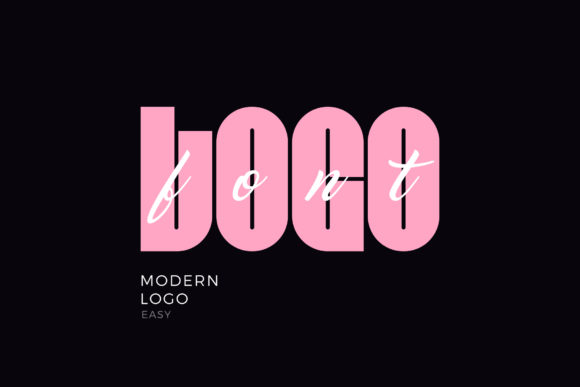
Logo: A Bold and Chunky Lettered Display Font for Modern Design
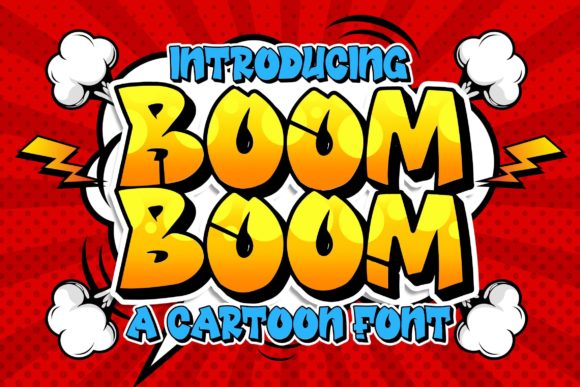
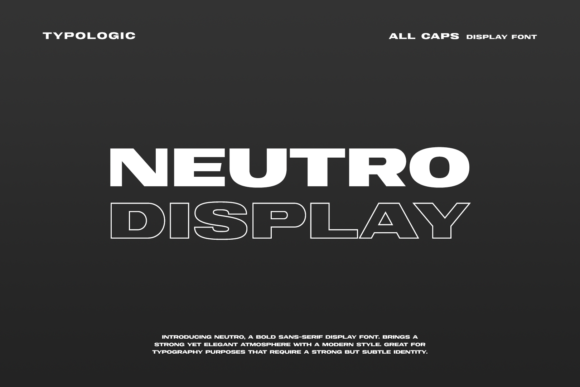
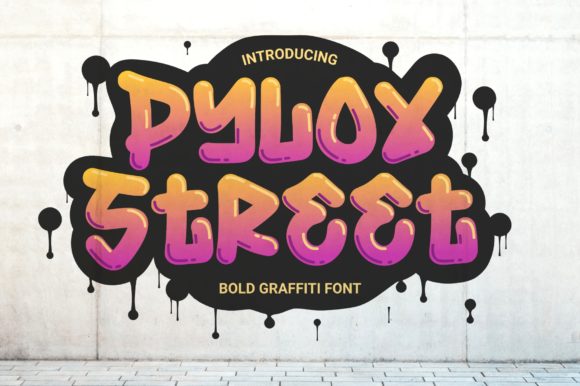
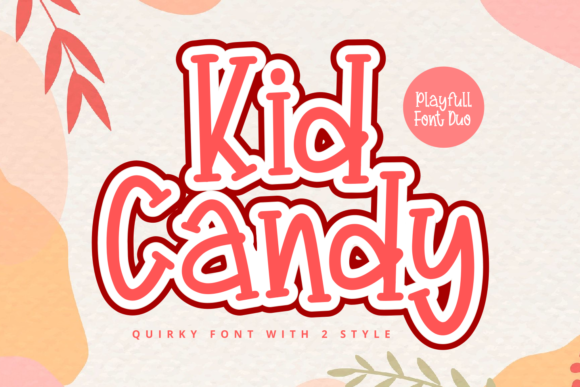
The Logo font is a bold and chunky lettered display font that brings a modern and interesting visual element to any design. Whether you're working on branding, marketing materials, or personal projects, Logo offers a unique way to make your designs stand out. Its strong, geometric structure makes it versatile for both digital and print applications.
Understanding the Logo Font
Logo is not just another font—it's a statement. With its chunky, blocky letters and clean lines, it evokes a sense of strength and confidence. This font is ideal for creating attention-grabbing headlines, logos, and promotional content. It’s designed to be readable at a glance while maintaining a distinctive aesthetic.
Unlike traditional serif or sans-serif fonts, Logo is a display font, which means it's best used in smaller quantities or as a focal point rather than for long-form text. However, its versatility allows it to be used in a variety of contexts, from social media graphics to website headers.
Where Does Logo Fit in the Design Process?
The Logo font can be integrated at various stages of a creative or business workflow. It might be used during the initial brainstorming phase to quickly sketch out ideas, or later in the final design stage to create a visually striking brand identity.
For instance, when designing a new product launch, Logo could be used to create eye-catching banners, posters, or social media posts. Its bold nature ensures that it stands out in a crowded digital landscape, making it an excellent choice for campaigns that require immediate visual impact.
Using Logo in Different Contexts
Logo is adaptable and can be used in a wide range of scenarios. Here are some practical examples:
- Branding: Use Logo for company logos, taglines, and other branding elements to create a memorable visual identity.
- Marketing: Incorporate Logo into advertisements, email newsletters, and promotional videos to enhance visual appeal.
- Education: Teachers and educators can use Logo to create engaging presentations, handouts, or learning materials.
- Personal Projects: Bloggers, freelancers, and hobbyists can leverage Logo to elevate their content and make it more visually compelling.
How Logo Interacts with Other Tools
Logo works well with a variety of design tools and platforms. Whether you're using Adobe Photoshop, Canva, Figma, or even Microsoft Word, the font can be easily imported and customized to fit your project's needs.
One of the advantages of using Logo is its compatibility with different file formats. You can export it as a vector (SVG), raster (PNG), or web-ready format (WOFF) depending on your requirements. This flexibility makes it easy to integrate into both digital and print workflows.
Practical Tips for Using Logo Effectively
To get the most out of Logo, consider these implementation tips:
- Use it sparingly: Since Logo is a display font, it should be used in moderation to avoid overwhelming your design.
- Pair with complementary fonts: Combine Logo with a more readable body font to ensure your message is clear and professional.
- Test across devices: Make sure Logo looks good on all screen sizes and resolutions, especially if you're using it for web-based content.
- Consider color contrast: Ensure that the font color stands out against the background to maintain readability.
- Save in multiple formats: Export Logo in different formats to suit your specific project needs, whether it's for print, web, or mobile.
Workflow Examples
Here are a few real-world examples of how Logo can be incorporated into different workflows:
- Business Branding: A small business owner might use Logo to create a logo for their startup, ensuring it’s bold and memorable.
- Content Creation: A blogger could use Logo for headings in their articles to draw readers' attention and add visual interest.
- Event Planning: An event planner might use Logo for signage, invitations, and promotional materials to create a cohesive look.
- Product Design: A designer could incorporate Logo into packaging or product labels to reinforce brand identity.
Factors to Consider When Using Logo
When integrating Logo into your workflow, keep the following factors in mind:
- Preparation: Ensure you have the right tools and resources ready before starting a project involving Logo.
- Compatibility: Check that Logo works well with the software and platforms you’re using.
- Usability: Make sure the font is easy to read and doesn't compromise the overall user experience.
- Organization: Keep track of different versions and formats of Logo to avoid confusion.
- Efficiency: Use Logo strategically to streamline your design process without overcomplicating it.
- Consistency: Maintain a consistent style throughout your design to ensure professionalism and clarity.
- Quality Control: Always review your work to ensure Logo is used appropriately and effectively.
- Long-Term Use: Choose a font that will remain relevant and useful over time, rather than one that becomes outdated.
Integrating Logo into Your Routine
Whether you're a professional, entrepreneur, educator, or hobbyist, Logo can be a valuable addition to your design toolkit. To integrate it smoothly into your routine:
- Identify key areas: Determine where Logo would have the most impact in your workflow.
- Experiment: Try using Logo in different contexts to see what works best for your projects.
- Document: Keep a record of how you've used Logo so you can replicate successful strategies in the future.
- Stay flexible: Be open to adjusting your approach based on feedback and results.
By understanding how Logo fits into your workflow and using it thoughtfully, you can enhance your designs and make a stronger impression on your audience. With its bold and chunky style, Logo is more than just a font—it's a powerful tool for visual storytelling and brand building.