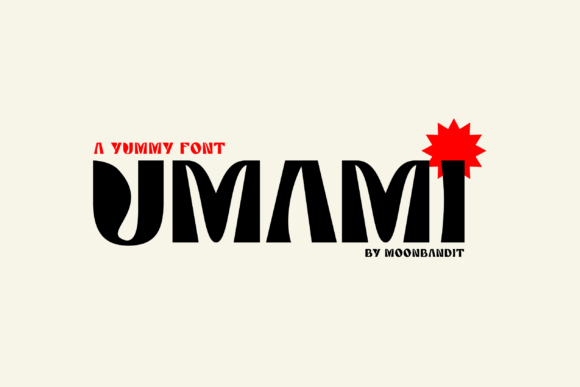
Umami: A Modern Minimalist Font for Contemporary Design
Umami is more than just a font—it’s a design language. With its bold, thick letters and clean lines, Umami offers a fresh, modern aesthetic that feels both casual and professional. It's ideal for a wide range of applications, from branding to web design, and has quickly become a favorite among designers who value simplicity and impact.
Why Umami Stands Out in the Font World
Umami is designed with a minimalist approach, making it versatile across various mediums. Its strong, consistent stroke weight gives it a sense of confidence and clarity, which is especially useful in digital environments where readability is key. The font’s visual balance allows it to work well in both large-scale displays and smaller text sizes, making it a reliable choice for a variety of projects.
One of the most appealing aspects of Umami is its adaptability. Whether you're designing a logo, creating a website, or working on a print layout, this font can be tailored to fit your needs. Its contemporary feel also makes it an excellent option for brands looking to convey a modern, sophisticated image.
Common Mistakes When Choosing and Using Umami
While Umami is a powerful tool, many users make mistakes when selecting and applying it. These errors can affect the overall effectiveness of their designs and even lead to unintended consequences.
Mistake 1: Not Checking Font Licensing
One of the most common issues is assuming that all fonts are free to use. While Umami is available in multiple formats, including open-source and commercial licenses, not all versions are the same. Failing to check licensing terms can result in legal complications, especially if the font is used in a business context.
Mistake 2: Ignoring Font Pairing
Even the best font can fall flat if paired incorrectly. Umami’s bold style works best when balanced with lighter, more delicate typefaces. For example, using Umami for headlines and a serif font like Georgia for body text creates a visually appealing contrast that enhances readability.
Mistake 3: Overlooking Platform Compatibility
Not all platforms support the same font formats. If you’re planning to use Umami across different devices or operating systems, ensure that the chosen format (such as OTF or TTF) is compatible. This step helps avoid unexpected display issues that could damage the user experience.
How to Avoid These Mistakes and Use Umami Effectively
The good news is that these mistakes can be easily avoided with a few simple checks and considerations. Here’s how to use Umami wisely:
- Review Licensing Terms Carefully: Always read the fine print before downloading or purchasing a font. Understand whether it’s for personal or commercial use and if there are any restrictions on distribution.
- Test Font Pairings: Experiment with different typeface combinations to find the best balance. Tools like Google Fonts or Adobe Typekit can help you preview how Umami looks alongside other fonts.
- Ensure Cross-Platform Support: Download the correct format for your intended use. Web fonts, for instance, are often delivered via CSS and require a hosted service like Google Fonts or Adobe Fonts.
By taking these steps, you can ensure that Umami not only looks great but also functions seamlessly across all platforms and media types.
Realistic Examples of Umami in Action
Let’s look at a few practical examples where Umami shines:
- Branding: A tech startup might use Umami for its logo and website headers to project a modern, innovative image.
- Web Design: A blog or portfolio site could feature Umami in call-to-action buttons or navigation menus to draw attention and improve user engagement.
- Print Materials: A magazine or newsletter might incorporate Umami for headlines while using a complementary font for the body text to maintain visual harmony.
In each case, the key is to use Umami strategically—never as the sole font, but as part of a cohesive design strategy.
What to Check Before Using Umami
Before finalizing your decision to use Umami, consider the following:
- Intended Use: Is it for print, web, or both? Some fonts perform better in certain contexts than others.
- Target Audience: Will the audience be familiar with the font? Sometimes, too trendy a font can be off-putting to some users.
- Readability
- Accessibility: Ensure that the font meets accessibility standards, especially if it will be used by people with visual impairments.
- Cost and Availability: If you're considering a premium version of Umami, compare the cost with the benefits it provides.
These checks help you make an informed decision and avoid potential pitfalls down the line.
Conclusion
Umami is a powerful and stylish font that can elevate your design projects. However, its success depends on how you choose, apply, and maintain it. By avoiding common mistakes and focusing on thoughtful implementation, you can harness the full potential of this modern font and create designs that are both effective and visually appealing.