Red Berry: A Versatile Font for Creative and Practical Use
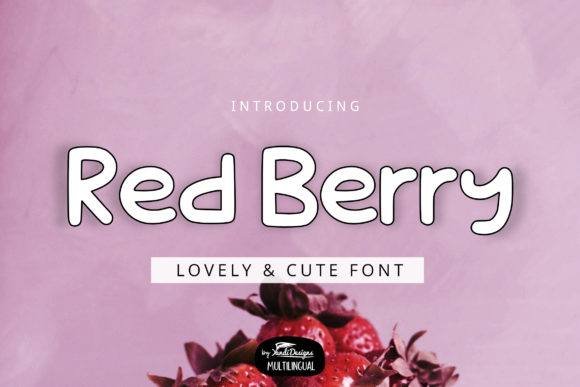
Red Berry is a display font that brings a touch of charm, whimsy, and personality to any design. With its cute and quirky style, it's not just visually appealing—it also serves as a powerful tool in the right context. Whether you're working on a school project, crafting an informal flyer, or designing content for a personal brand, Red Berry can add character without overwhelming the message.
Its playful aesthetic makes it ideal for projects where a sense of fun and approachability is key. However, understanding how to integrate Red Berry into your workflow can make all the difference between using it effectively and letting it become a distraction from your main goals. This article explores how Red Berry fits into various creative and professional processes, offering practical insights for those looking to use it with purpose.
Where Red Berry Fits in the Design Process
The design process is rarely linear, but Red Berry can be strategically placed at different stages to enhance clarity, engagement, or visual appeal. Before diving into the creation phase, consider how Red Berry might support your planning or brainstorming activities.
For instance, when developing a marketing campaign, Red Berry could be used in mood boards or concept sketches to visualize the tone and vibe of the project. Its childlike quality can help convey a friendly, approachable brand voice—perfect for educational materials, children’s products, or community-focused initiatives.
During the execution phase, Red Berry can serve as a focal point in headers, titles, or call-to-action buttons. It works especially well when paired with more traditional fonts to create contrast and balance. This combination can guide the viewer’s eye and reinforce the hierarchy of information without compromising readability.
After the project is complete, Red Berry can still play a role in documentation or presentation materials. It can be used to highlight key points, add emphasis, or provide a nostalgic touch that resonates with your audience. The font’s versatility allows it to adapt to both digital and print formats, making it a valuable asset across multiple platforms.
Practical Integration Tips for Red Berry
Integrating Red Berry into your workflow doesn’t have to be complicated. Here are some practical tips to help you use it effectively:
- Use it sparingly: Since Red Berry is a display font, it should be reserved for specific elements rather than entire text blocks. Overuse can lead to visual clutter and reduce its impact.
- Pair with complementary fonts: Combine Red Berry with a clean, readable serif or sans-serif font to maintain professionalism while adding a unique flair.
- Test across devices: Ensure that Red Berry renders correctly on different screens and platforms. Some fonts may appear differently depending on the system or browser.
- Consider accessibility: While Red Berry is visually engaging, it may not be the best choice for long-form reading. Use it in short bursts to keep your content engaging and easy to digest.
- Save it as a resource: If you frequently use Red Berry, consider downloading it and keeping it in your font library for quick access during future projects.
By following these guidelines, you can ensure that Red Berry enhances your work without overshadowing it. It’s about knowing when and how to apply it, not just using it for its aesthetic value.
Workflow Examples: How Red Berry Can Be Used in Real Scenarios
Let’s look at a few real-world examples to see how Red Berry can fit into different workflows:
Example 1: Educational Materials
When creating lesson plans, flashcards, or interactive learning tools, Red Berry can be used to highlight key terms, questions, or instructions. Its playful nature can make complex topics feel more approachable, especially for younger audiences or students who benefit from visual stimulation.
Additionally, Red Berry can be used in presentations or handouts to break up large blocks of text and encourage engagement. For example, a teacher might use it in a title slide or to emphasize important takeaways, making the content more memorable.
Example 2: Branding and Marketing
For small businesses or entrepreneurs, Red Berry can be a great addition to branding efforts. It can be used in logos, social media posts, or website headers to create a distinct identity that stands out in a crowded market.
However, it’s important to balance its use with other fonts to maintain professionalism. For instance, a bakery might use Red Berry in their logo but pair it with a more modern sans-serif font for their website and packaging to ensure consistency across all touchpoints.
Example 3: Personal Projects and Hobbies
Whether you’re designing a scrapbook, creating a personal blog, or building a portfolio, Red Berry can add a personal touch that reflects your style and creativity. It’s particularly useful for hobbyists who want to express themselves through design without sacrificing functionality.
For example, a freelance designer might use Red Berry in their resume header to showcase their personality while maintaining a professional layout. Similarly, a blogger could incorporate it into their site’s navigation menu or social media graphics to create a cohesive brand image.
Factors to Consider When Using Red Berry
While Red Berry offers many benefits, there are several factors to consider before integrating it into your workflow:
- Preparation: Make sure you understand the font’s characteristics and limitations. Is it suitable for your target audience? Does it align with your overall design goals?
- Compatibility: Check if Red Berry is compatible with the platforms and tools you use. Some fonts may not render properly in certain software or browsers.
- Usability: Ensure that Red Berry doesn’t compromise the usability of your content. It should enhance the experience, not hinder it.
- Organization: Keep track of where and how you use Red Berry to avoid overuse or inconsistency. Create a style guide or reference sheet to help maintain clarity.
- Efficiency: Use Red Berry only when it adds value to your project. Avoid using it as a default font unless it truly supports your objectives.
- Consistency: Maintain a consistent application of Red Berry across all your work to build recognition and reinforce your brand or style.
- Quality control: Regularly review your use of Red Berry to ensure it meets your standards and continues to serve your needs effectively.
- Long-term use: Consider whether Red Berry will remain relevant in the long run. Will it continue to resonate with your audience or evolve with your brand?
By carefully evaluating these factors, you can determine whether Red Berry is the right choice for your specific needs and how best to incorporate it into your workflow.