Lime Soda: A Versatile Display Font for Creative Expression
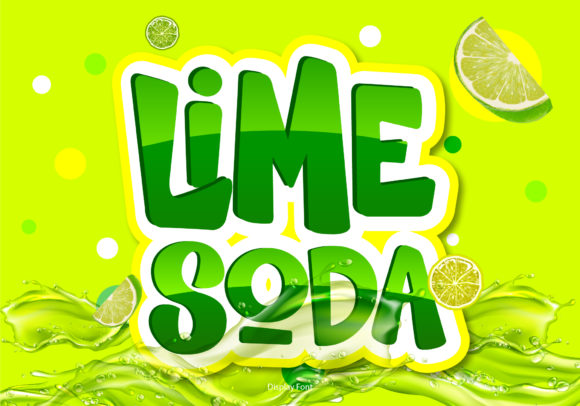
Lime Soda is a bold and quirky display font designed to make a statement. Its unique character set and playful aesthetic make it an appealing choice for designers looking to add personality and visual interest to their projects. Whether used in branding, marketing materials, or digital content, Lime Soda offers a distinctive look that can elevate the overall design.
What Makes Lime Soda Stand Out?
Lime Soda is not just another font—it’s a creative tool that brings energy and charm to any design. The font features a mix of rounded and angular elements, creating a dynamic balance between approachability and strength. This blend makes it suitable for both casual and more structured applications.
The font’s friendly feel is one of its most notable attributes. It conveys warmth and approachability, which can be especially useful in contexts where a welcoming tone is important. From social media graphics to packaging designs, Lime Soda has a way of making text pop without being overwhelming.
Why Would Someone Be Interested in Lime Soda?
Designers and content creators often seek fonts that can convey a specific message or mood. Lime Soda appeals to those who want to stand out with a unique visual identity. Its versatility allows it to be used in a variety of formats, from print to digital, ensuring broad applicability.
Additionally, Lime Soda is ideal for projects that require a touch of creativity and originality. Whether you're designing a logo, a poster, or a website banner, this font can help your work feel more engaging and memorable.
Benefits of Using Lime Soda
One of the primary benefits of Lime Soda is its visual impact. As a display font, it’s designed to be seen and noticed, making it perfect for headlines, titles, and other prominent text elements. Its boldness ensures that it stands out in a design, drawing attention without needing excessive embellishment.
Another advantage is its adaptability. While it's a display font, Lime Soda can be used in different sizes and weights, allowing for flexibility in design applications. This adaptability means it can fit into a wide range of design scenarios, from minimalist layouts to more vibrant, eye-catching compositions.
Moreover, Lime Soda is user-friendly. Its clean lines and consistent structure make it easy to read, even when used at smaller sizes. This readability is crucial for maintaining clarity in design projects, especially those intended for digital platforms.
Considerations and Tradeoffs
Despite its many strengths, Lime Soda is not without its limitations. As a display font, it may not be the best choice for long-form text or body copy. Its stylized appearance can sometimes make it less legible when used in extended passages, so it’s important to use it strategically.
Another consideration is its compatibility with different platforms and software. While most modern design tools support Lime Soda, there may be instances where font rendering issues occur, particularly on older systems or browsers. Testing across various environments is recommended to ensure consistency.
Additionally, Lime Soda may not be the right fit for every brand or project. Its quirky and bold nature might not align with a more professional or traditional aesthetic. Designers should consider the target audience and the overall tone of the project before committing to this font.
Situations Where Lime Soda Excels
Lime Soda shines in situations where a strong visual identity is needed. It works exceptionally well for branding initiatives, such as logos, taglines, and promotional materials. Its bold and playful style can help create a memorable brand image that resonates with younger, more trendy audiences.
The font is also well-suited for social media content, where visual appeal plays a significant role. Posts, banners, and advertisements that incorporate Lime Soda can capture attention quickly and effectively, encouraging engagement and interaction.
Furthermore, Lime Soda is a great choice for creative projects that aim to express individuality and innovation. Whether it's a music album cover, a product launch, or a digital campaign, this font adds a unique flair that sets the design apart.
When to Consider Alternatives
While Lime Soda offers many advantages, there are scenarios where alternative fonts may be more appropriate. For instance, if the project requires a more formal or traditional look, a serif or sans-serif font might be a better fit. These fonts provide a sense of professionalism and reliability that may be more suitable for certain industries or audiences.
Similarly, for projects involving large amounts of text, such as articles or reports, a more readable and balanced font would be preferable. In these cases, using Lime Soda solely for headings or titles can help maintain a visually engaging layout without compromising readability.
Designers should also consider the availability of Lime Soda across different platforms and devices. If there’s a concern about font rendering or accessibility, exploring alternatives that offer similar stylistic qualities but greater compatibility could be a wise decision.
Making the Right Choice
Ultimately, the decision to use Lime Soda depends on the specific needs and goals of the project. It’s important to evaluate how well the font aligns with the desired message, audience, and overall design direction. By considering factors such as readability, compatibility, and visual impact, designers can determine whether Lime Soda is the right choice for their creative vision.
For those seeking a bold and quirky font that can add personality and energy to their work, Lime Soda is a compelling option. However, it’s essential to use it thoughtfully and in context to ensure it enhances rather than detracts from the overall design.