Handyman: A Unique Font for Creative Design
The Distinctiveness of Handyman
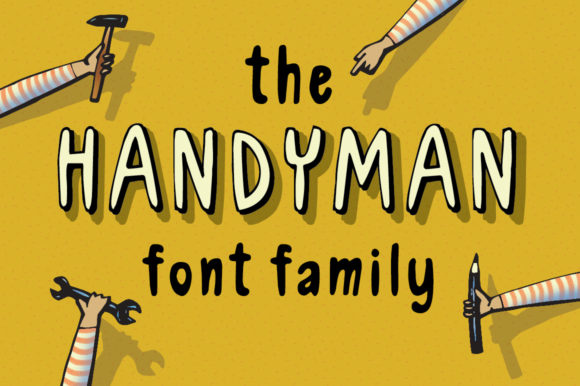
Handyman is more than just a font—it’s a visual statement. Designed with a strong, geometric structure and clean lines, it offers a modern yet approachable aesthetic that stands out in a crowded design landscape. Unlike many other fonts that lean heavily into ornate or decorative styles, Handyman maintains a balance between simplicity and impact. This makes it particularly effective for both digital and print media.
One of the key features that sets Handyman apart is its versatility. It can be used in a variety of contexts—from branding and advertising to website headers and signage. The font's boldness allows it to command attention without overwhelming the reader. Its unique style also lends itself well to creative projects that require a touch of personality and flair.
Comparing Handyman to Similar Fonts
When evaluating fonts, it’s important to consider how they stack up against alternatives. While there are many display fonts available, Handyman holds its own by offering a distinct look that isn’t easily replicated. For instance, compared to fonts like Bebas Neue or Playfair Display, Handyman has a more structured and less ornate appearance. This makes it a better fit for projects where clarity and readability are as important as visual appeal.
Another point of comparison is with Roboto and Open Sans, which are popular sans-serif fonts known for their clean, modern design. However, Handyman brings a level of character and uniqueness that these fonts lack. While Roboto and Open Sans are great for body text and general use, Handyman excels in headlines and titles where a stronger visual presence is desired.
For those looking for something more decorative, fonts like Great Vibes or Orbitron might be considered. However, these options often come with trade-offs in terms of legibility and adaptability. Handyman strikes a middle ground, offering a stylish yet functional design that works across different mediums.
Strengths and Tradeoffs
Handyman’s strength lies in its ability to convey confidence and professionalism while maintaining an artistic edge. This dual nature makes it suitable for a wide range of applications, from corporate branding to personal projects. Its bold strokes and clear letterforms ensure that it remains readable even at smaller sizes, which is a significant advantage over some more stylized fonts.
However, like any font, Handyman has its limitations. One potential drawback is that its strong, angular design may not be the best choice for all types of content. For example, in contexts where a softer or more elegant look is preferred, Handyman might feel too aggressive or unrefined. Additionally, because of its unique style, it may not always align with traditional design norms, which could be a consideration for certain industries or audiences.
Best-Fit Situations for Using Handyman
Handyman is particularly well-suited for projects that require a bold and memorable visual identity. This includes things like logo design, promotional materials, and social media graphics. Its strong visual presence can help a brand stand out in a competitive market.
It’s also a great choice for websites that want to make a strong first impression. Whether it’s used for a homepage header or a call-to-action button, Handyman can draw attention and enhance user engagement. In print media, such as brochures, posters, and signage, the font’s clarity and impact make it an excellent option for capturing the viewer’s interest.
Additionally, Handyman can be a valuable tool for designers who are looking to add a unique twist to their work. By using this font in unexpected ways—such as pairing it with more traditional fonts or incorporating it into mixed-media designs—designers can create visually striking compositions that leave a lasting impression.
When to Consider Alternatives
While Handyman is a powerful font, it’s not the right choice for every situation. If you’re working on a project that requires a more subtle or refined look, you may want to consider alternatives like Montserrat or Inter. These fonts offer a cleaner, more minimalist aesthetic that can complement a wide range of design styles.
For projects that demand a high degree of customization, fonts like Font Awesome or Google Fonts provide access to a vast library of options. These resources allow designers to experiment with different weights, styles, and combinations to find the perfect fit for their needs.
Ultimately, the decision to use Handyman should be based on the specific goals of your project. If you’re looking for a font that balances style with functionality and can adapt to various design contexts, Handyman is an excellent choice. However, if your priorities lie elsewhere, exploring other options may yield better results.
Practical Examples and Use Cases
To better understand how Handyman can be applied in real-world scenarios, let’s look at a few practical examples:
- Branding: A local business owner might use Handyman in their logo to create a strong, memorable brand identity. The font’s boldness can help convey confidence and reliability.
- Marketing Materials: A marketing team could incorporate Handyman into a campaign poster to grab attention and reinforce the message. Its visual impact can make the design more engaging and effective.
- Website Headers: A web designer might choose Handyman for a website’s main heading to create a striking first impression. The font’s clarity ensures that the text remains readable even when scaled down.
- Signage: A restaurant owner might use Handyman on a menu board to make the text stand out. The font’s clean lines and strong structure make it ideal for outdoor or indoor signage.
These examples demonstrate how Handyman can be adapted to suit different needs and environments. Whether you’re designing for a small business or a large corporation, the font’s flexibility allows it to be tailored to your specific requirements.
Making an Informed Decision
Choosing the right font is an important part of the design process, and Handyman is a strong contender for many applications. However, it’s essential to evaluate your project’s needs carefully before making a final decision.
Consider factors such as the target audience, the purpose of the design, and the overall aesthetic you want to achieve. If you’re aiming for a bold, confident look that commands attention, Handyman is likely the right choice. On the other hand, if you need a more subtle or versatile option, exploring other fonts may be necessary.
By understanding the strengths and limitations of Handyman, as well as how it compares to other fonts, you can make a more informed decision that aligns with your creative vision and practical requirements.