Exploring the Versatility of Dashed Line: A Unique Display Font for Modern Design
Dashed Line is more than just a font—it's a visual language that brings clarity, creativity, and character to any design. With its distinctive style, this display font has become a favorite among designers, educators, and content creators who seek to make their work stand out in a crowded digital landscape. Whether you're designing a website, crafting an infographic, or creating a presentation, Dashed Line offers a unique way to communicate your message with both style and substance.
The Aesthetic Appeal of Dashed Line
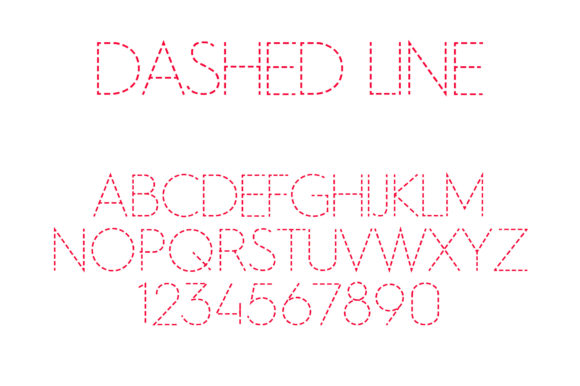
Dashed Line is characterized by its clean, segmented strokes that create a rhythmic visual effect. Unlike traditional fonts that rely on solid lines, Dashed Line uses dashes to form letters and characters, giving it a modern and dynamic feel. This approach not only makes the text visually engaging but also enhances readability when used in appropriate contexts.
The font’s design is intentionally minimalistic, allowing it to adapt seamlessly to various backgrounds and color schemes. Its versatility makes it ideal for use in both digital and print media, where legibility remains a priority. The subtle contrast between the dashes and the surrounding space creates a sense of depth and movement, making it particularly effective in headers, titles, and call-to-action buttons.
Key Characteristics of Dashed Line
- Distinctive Style: Dashed Line stands out due to its unique construction, which sets it apart from conventional fonts.
- High Readability: Despite its unconventional appearance, the font maintains excellent legibility at both small and large sizes.
- Adaptable Design: It works well across different platforms and mediums, including web, mobile, and print.
- Visual Impact: The rhythmic pattern of dashes adds a creative flair that can elevate the overall aesthetic of a design.
One of the most appealing aspects of Dashed Line is how it balances simplicity with sophistication. It avoids the complexity of serif or script fonts while still offering a level of visual interest that keeps viewers engaged. This balance is especially valuable in environments where information needs to be communicated quickly and effectively.
Practical Applications of Dashed Line
Dashed Line is not limited to just headlines or decorative elements; it has a wide range of practical applications that cater to diverse industries and user needs. Let's explore some of the key areas where this font excels:
Web Design and User Interfaces
In the realm of web design, Dashed Line can be used to highlight important sections, such as navigation menus, headings, and promotional banners. Its clean and modern look aligns well with contemporary design trends, making it a great choice for websites that aim to appear professional yet approachable.
When integrated into user interfaces (UI), Dashed Line can help guide users through interactive elements like buttons, icons, and labels. Its visual rhythm can subtly direct attention without overwhelming the user with too much information.
Education and Learning Materials
For educators and instructional designers, Dashed Line offers a fresh alternative to standard fonts. It can be used in lesson plans, study guides, and interactive learning modules to make content more engaging and memorable.
The font’s distinctiveness can aid in differentiating key concepts or terminology, helping students retain information more effectively. It also adds a creative touch to educational materials, encouraging a more interactive and enjoyable learning experience.
Branding and Marketing
Brands looking to establish a strong visual identity can benefit from incorporating Dashed Line into their branding strategy. Its unique style can help differentiate a brand from competitors, especially in industries where visual appeal plays a significant role in consumer perception.
Marketing materials such as brochures, social media posts, and email campaigns can all benefit from the use of Dashed Line. It provides a modern and eye-catching alternative to traditional fonts, helping to capture attention and convey a sense of innovation.
Considerations When Using Dashed Line
While Dashed Line offers many advantages, there are certain considerations to keep in mind when using it in your designs:
- Contrast Matters: Ensure that the font stands out against the background. Use high-contrast color combinations to maintain readability.
- Size Matters: Avoid using Dashed Line at very small sizes, as the dashes may become too fine to read clearly.
- Context Is Key: While Dashed Line is versatile, it may not always be the best choice for long-form text. Reserve it for headings, titles, and short phrases.
- Accessibility: Consider accessibility guidelines when implementing Dashed Line, especially if the design will be used by people with visual impairments.
By carefully considering these factors, you can ensure that Dashed Line enhances your design without compromising usability or inclusivity.
Comparing Dashed Line with Other Fonts
When evaluating Dashed Line against other display fonts, it becomes clear that its unique structure gives it a distinct advantage in certain scenarios. For example, compared to bold sans-serif fonts like Arial or Helvetica, Dashed Line offers a more artistic and stylized appearance that can add visual interest without sacrificing readability.
On the other hand, when compared to script or cursive fonts, Dashed Line maintains a higher level of legibility, making it a more practical choice for content that requires quick scanning or frequent reading. This balance of style and functionality is one of the reasons why Dashed Line has gained popularity among designers and content creators alike.
Ultimately, the choice of font should depend on the specific needs of the project. Dashed Line is an excellent option when you want to introduce a unique visual element while maintaining clarity and professionalism.
Conclusion
Dashed Line is a powerful tool that can elevate the visual quality of your designs while maintaining readability and functionality. Its distinctive style makes it suitable for a wide range of applications, from web design to education and marketing. By understanding its characteristics, advantages, and limitations, you can make informed decisions about when and how to use it effectively.
Whether you're a designer, educator, or business owner, incorporating Dashed Line into your projects can help you stand out in a competitive market. With its clean lines, rhythmic patterns, and versatile design, Dashed Line is more than just a font—it's a statement of creativity and innovation.