Color Paper: A Unique Display Font That Transforms Text into Art
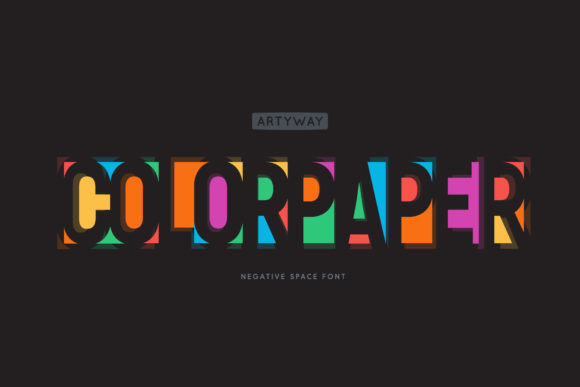
Color Paper is more than just a font—it’s a visual experience that redefines how we interact with text. Designed using the concept of negative space, this display font creates a striking aesthetic that stands out in any design context. Whether used for branding, web design, or creative projects, Color Paper offers a fresh and modern approach to typography that captivates attention and enhances readability.
The Concept Behind Color Paper
At its core, Color Paper is built on the principle of negative space—a design technique where the space between elements is as important as the elements themselves. By carefully crafting the gaps between letters, the font achieves a sense of balance and harmony that feels both intentional and artistic.
This unique approach allows Color Paper to maintain clarity even when used in bold or large sizes. The absence of solid color in certain areas gives the text a lightness that makes it feel dynamic and engaging. It's not just about making words look good; it's about creating an emotional connection through visual storytelling.
Design Characteristics of Color Paper
One of the most distinctive features of Color Paper is its use of color. Unlike traditional fonts that rely solely on ink, Color Paper incorporates color in a way that complements the structure of each letter. This adds depth and dimension, transforming simple text into a visual artwork.
- Minimalist yet expressive: The clean lines and open spaces make Color Paper ideal for both digital and print media.
- High contrast: The interplay of color and negative space ensures that the text remains legible even at smaller sizes.
- Adaptable: Whether used in headings, body text, or decorative elements, Color Paper maintains its integrity across different applications.
- Creative flexibility: The font encourages experimentation with color combinations, allowing designers to create custom visuals that align with their brand identity.
Practical Applications of Color Paper
Color Paper is versatile and can be applied in various contexts, from digital marketing to educational materials. Its unique style makes it particularly effective in scenarios where visual impact is key.
In branding, Color Paper can help establish a strong visual identity. Its artistic quality lends itself well to logos, packaging, and promotional materials. For example, a creative agency might use Color Paper in their website headers to convey innovation and creativity.
For web design, the font works exceptionally well in hero sections, call-to-action buttons, and social media graphics. Its eye-catching nature can draw users in and encourage interaction. However, it's important to use it judiciously—overuse may reduce its effectiveness.
When it comes to educational content, Color Paper can be used to highlight key concepts or create visually engaging infographics. Teachers and educators can incorporate the font into presentations or learning materials to enhance student engagement.
Even in personal projects, such as art portfolios or creative writing, Color Paper can add a unique touch. It’s especially useful for those who want to push the boundaries of traditional typography and explore new ways of expressing ideas visually.
Considerations for Using Color Paper
While Color Paper offers many benefits, there are a few considerations to keep in mind when using it in your designs:
First, ensure compatibility. Since it's a display font, it may not be suitable for long-form content. Use it strategically in headlines or short phrases rather than entire paragraphs.
Second, test across devices and platforms. The font may render differently depending on the screen resolution or browser settings. Always preview your design in multiple environments to ensure consistency.
Third, consider accessibility. While the font is visually appealing, it should still be readable for all users. Avoid using overly bright or contrasting colors that may cause strain for those with visual impairments.
Finally, experiment with color variations. Color Paper is designed to work with a range of color schemes. Play with different hues to find the combination that best suits your project’s tone and purpose.
How to Incorporate Color Paper Into Your Work
Integrating Color Paper into your workflow is straightforward. Start by selecting a suitable platform or tool that supports custom fonts. Many design software programs, such as Adobe Illustrator, Photoshop, and Canva, offer font libraries where you can easily access and apply Color Paper.
Once you've chosen the font, consider the context in which you'll be using it. For instance, if you're designing a website, you might want to test how Color Paper looks in different sections of the layout. If you're working on a print project, ensure that the font is available in the correct format (e.g., OTF or TTF) and that it prints clearly.
Don’t forget to combine Color Paper with other design elements. Pair it with complementary colors, textures, and shapes to create a cohesive and visually appealing composition. The more you experiment, the more you’ll discover the font’s potential.
Additionally, stay updated with trends. Typography is constantly evolving, and staying informed about new fonts and design techniques can help you make better decisions. Follow design blogs, participate in online communities, and attend workshops to expand your knowledge and skills.
Conclusion
Color Paper is a powerful tool for designers, creators, and professionals looking to elevate their work with a unique and artistic approach. Its innovative use of negative space and color sets it apart from conventional fonts, offering a fresh perspective on typography.
Whether you're building a brand, designing a website, or exploring new creative possibilities, Color Paper provides a versatile and visually stunning option. By understanding its characteristics, applications, and considerations, you can unlock its full potential and create impactful designs that resonate with your audience.