Gayeng: A Fun and Playful Display Font for Children’s Designs
When it comes to creating eye-catching designs for children, the right font can make all the difference. Enter Gayeng, a bold and playful display font that brings energy and personality to any project. With its chunky, whimsical letterforms, Gayeng is ideal for use in children's books, educational materials, branding, and digital content. But like any design tool, using Gayeng requires some consideration to ensure it works well in your context.
What Is Gayeng?
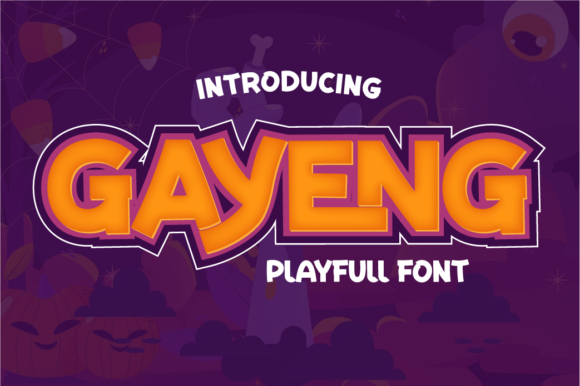
Gayeng is a modern, fun, and stylized display font designed with a playful spirit. Its thick, rounded strokes and exaggerated shapes give it a sense of movement and charm, making it particularly well-suited for younger audiences. Whether you're designing a children's storybook, a classroom poster, or a brand identity for a toy company, Gayeng can help your visuals stand out.
One of the main reasons people are drawn to Gayeng is its ability to convey warmth and approachability. It feels friendly and inviting, which is essential when working with children. The font also has a strong visual impact, making it an excellent choice for headlines, logos, and other prominent text elements.
Common Mistakes When Using Gayeng
While Gayeng can be a powerful tool, there are several common mistakes people make when using it. Understanding these can help you avoid pitfalls and get the most out of this font.
- Using it too broadly: Gayeng is a display font, meaning it's best used for headings or short text rather than body copy. Overusing it can make your design look cluttered or unprofessional.
- Ignoring readability: While the playful nature of Gayeng is appealing, it can sometimes reduce legibility, especially at smaller sizes. Always test how it looks in different contexts.
- Not considering pairing: Pairing Gayeng with a more traditional serif or sans-serif font can create a balanced and visually appealing design. A mismatched typeface combination can confuse the reader.
- Overlooking licensing: If you're using Gayeng commercially, make sure you understand the licensing terms. Some fonts are free for personal use but require a purchase for commercial projects.
Why These Mistakes Matter
Each of these mistakes can affect the overall effectiveness of your design. Using Gayeng too broadly can dilute its impact and make your message less clear. Poor readability can lead to confusion, while improper pairing can make your design feel unpolished. Not understanding licensing terms can even result in legal issues.
For example, if you're designing a children's book and use Gayeng throughout the entire text, it might become overwhelming. Instead, using it only for chapter titles or illustrations can maintain a balance between playfulness and clarity.
How to Use Gayeng Effectively
When using Gayeng, focus on its strengths and apply it where it shines. Here are some practical tips to help you make the most of this font:
- Use it strategically: Save Gayeng for headlines, logos, and key visual elements. It's not meant for long blocks of text.
- Test readability: Always preview your design at different sizes and distances. Make sure the font remains legible in various contexts.
- Pair wisely: Combine Gayeng with a complementary font to create contrast and balance. For instance, pair it with a clean sans-serif font for body text.
- Check licensing: Before using Gayeng in a commercial project, verify the font's license. Some versions may require a subscription or one-time purchase.
- Experiment with styles: Try different weights and styles of Gayeng to see how they affect your design. Some variations might suit your project better than others.
What to Check Before Using Gayeng
Before deciding to use Gayeng, consider the following factors to ensure it's the right fit for your project:
- Intended audience: Gayeng is best suited for younger audiences or playful designs. If your target audience is older, it might not be the best choice.
- Design purpose: Determine whether you need a decorative or functional font. Gayeng leans more toward decoration, so use it accordingly.
- Technical requirements: Ensure the font supports the characters and languages you need. Some fonts may have limited character sets.
- Platform compatibility: Check if the font works across different platforms and devices. This is especially important for web-based projects.
- Cost and availability: Some versions of Gayeng may require payment, while others are available for free. Choose based on your budget and needs.
Conclusion
Gayeng is a versatile and fun display font that can add a unique touch to your children-related designs. However, like any design element, it requires thoughtful application to be effective. By avoiding common mistakes and using it strategically, you can create engaging and visually appealing projects that resonate with your audience.