Design That Stands Out
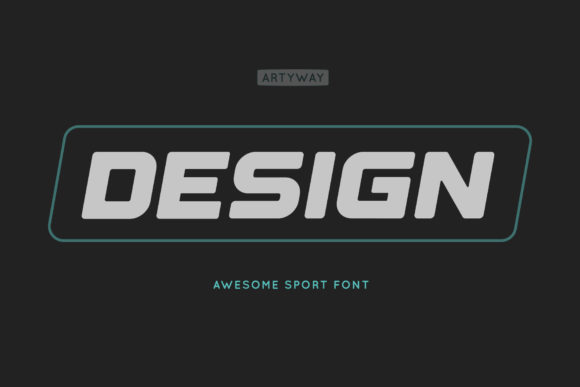
When it comes to making a statement, Design is the go-to choice for those who want to grab attention. This bold and dynamic display font isn’t just about looks—it’s about creating impact. Whether you're crafting a letterhead, designing a title, or putting together stationery, Design offers a fresh, eye-catching approach that speaks to both creativity and functionality.
A Bold Statement in Every Letter
Design is more than just a font; it's a visual language. Its strong, confident strokes and unique shapes make it ideal for headlines, logos, and any project where you want your message to be seen and remembered. Unlike traditional fonts that prioritize readability over style, Design leans into its bold nature to create a memorable presence.
Why Choose Design?
The appeal of Design lies in its versatility and energy. It works well across various mediums, from print to digital, and can adapt to different design needs. For example, a small business owner might use Design to create a striking logo that stands out on social media. A blogger could use it for a blog header to draw readers in immediately.
- Eye-catching: The boldness of Design ensures your text commands attention.
- Adaptable: It works with both minimal and detailed layouts.
- Modern feel: Perfect for contemporary designs and branding.
Where Can You Use Design?
Design is a great fit for a variety of applications. Here are some common use cases:
Crafty Projects
For DIY enthusiasts and crafters, Design adds flair to handmade items. From greeting cards to scrapbook pages, this font brings a sense of professionalism and creativity to personal projects. It's especially useful when you want to elevate a simple layout without overcomplicating it.
Professional Branding
Entrepreneurs and small business owners often need a font that conveys strength and reliability. Design can help establish a brand identity that feels modern and powerful. It's perfect for business cards, website headers, and promotional materials.
Education and Learning
Teachers and educators can use Design to create engaging presentations, lesson plans, or classroom materials. Its bold style helps emphasize key points and makes learning more interactive and visually stimulating.
Practical Tips for Using Design
While Design is impressive, it's important to use it wisely. Here are some considerations to keep in mind:
- Balance is key: Don't let Design overpower other elements in your layout. Use it strategically for headings or titles rather than entire paragraphs.
- Pair with complementary fonts: Combine Design with a clean, readable font for body text to ensure clarity and readability.
- Test on different devices: Make sure your design looks good on both desktop and mobile screens.
Getting Started with Design
If you're new to using Design, start by experimenting with it in simple projects. Try applying it to a letterhead, a social media post, or a newsletter header. As you become more comfortable, you can explore more complex uses, like creating custom branding or digital assets.
Design: A Tool for Creativity and Communication
At its core, Design is about communication. It allows you to express ideas in a way that's both artistic and functional. Whether you're a beginner looking to enhance your creative skills or a professional aiming to refine your brand, Design offers a powerful tool to help you achieve your goals.
Its dynamic nature means it can evolve with your needs. Whether you're working on a personal project or a commercial venture, Design has the potential to transform how you present your ideas and connect with your audience.